
Shape-Shifting Gardens for Every Season
Design Principles for Flexible Outdoor Rooms
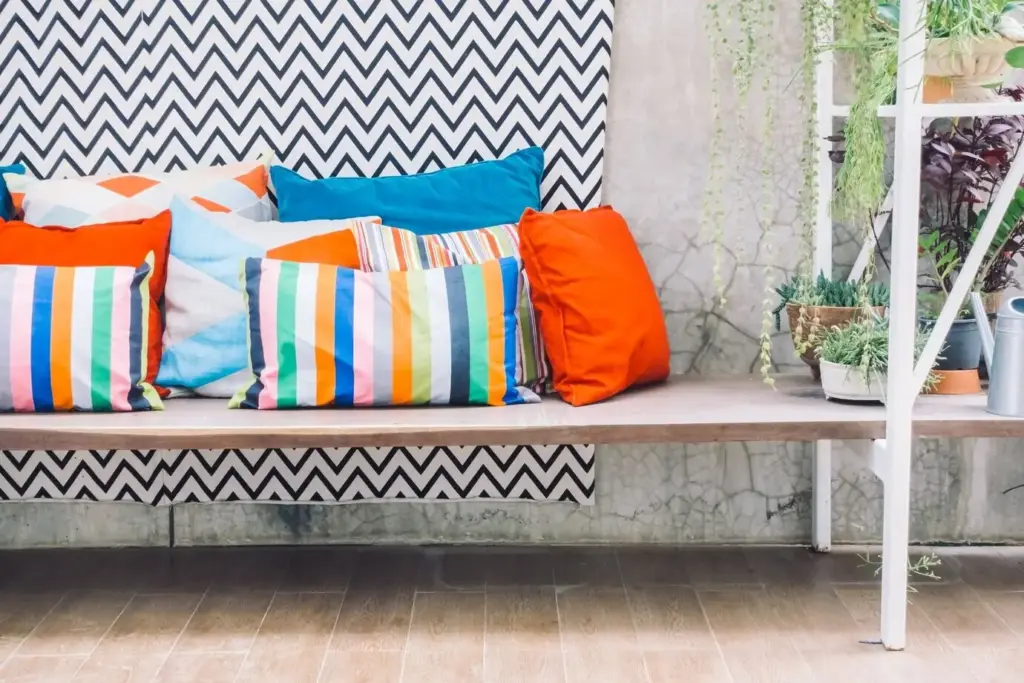
Modularity that Invites Change
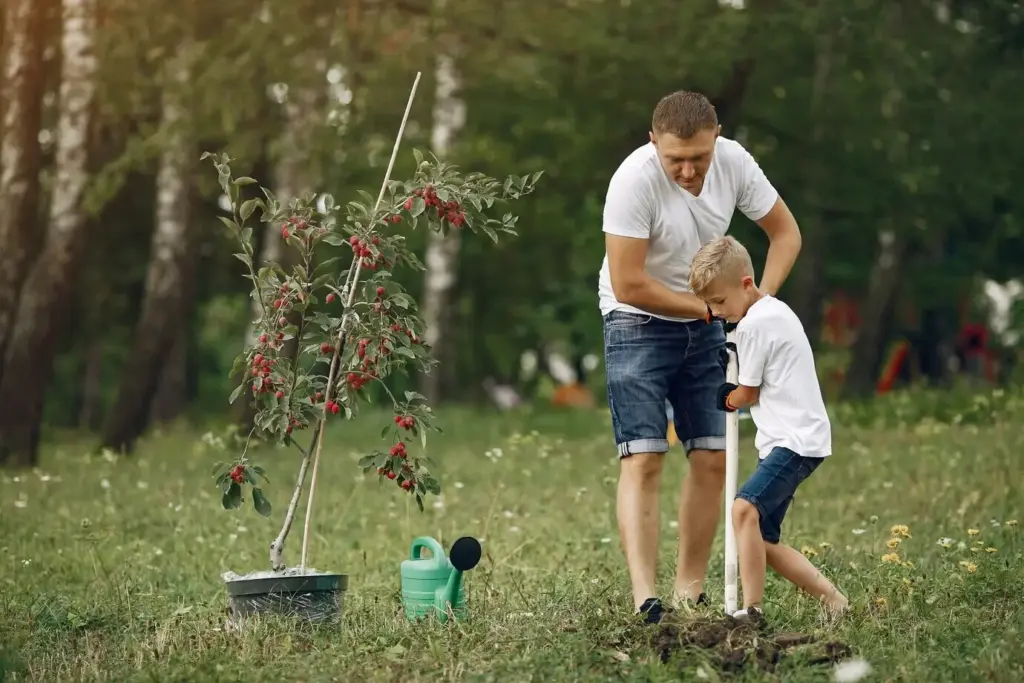
Zones that Breathe and Blend
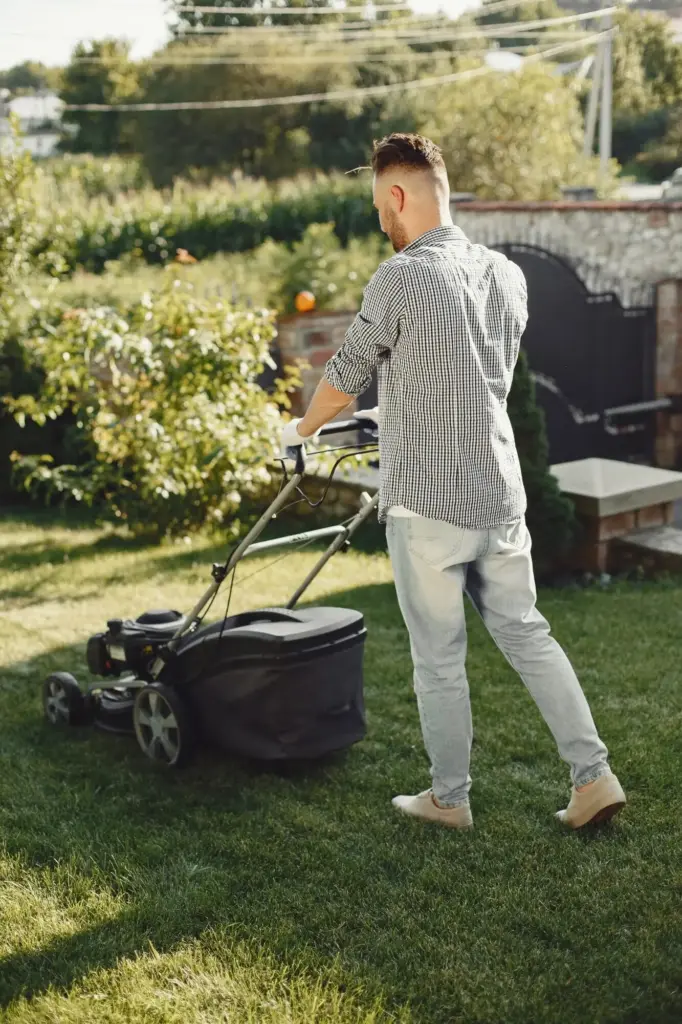
Smart Mechanics: Hinges, Tracks, and Casters
Choosing Durable Materials and Hardware
Prioritize corrosion resistance and UV stability. Stainless fasteners, aluminum frames, and UV-stabilized HDPE panels outlast standard options. Cedar and thermally modified wood offer stability without harsh treatments. For sliding elements, use stainless rollers with sealed bearings and drainage-friendly rails. Avoid mixing incompatible metals that encourage galvanic corrosion. Buy spares of critical parts, label storage bins, and keep a simple tool roll nearby so swaps, repairs, and seasonal reconfigurations happen instantly.
Safe Movement and Anchoring
Plan for wind, children, and pets. Incorporate positive stops, anti-tip brackets, and drop pins that lock modules in place. Use anti-vibration pads under casters on stone surfaces. Add discreet ground anchors or hidden base plates for vertical frames. Test emergency releases and locking mechanisms with gloved hands, wet hands, and tired hands. A secure layout should feel calm during gusts, enthusiastic play, or hurried rearrangements before rainstorms change your schedule.
Weatherproof Performance in Real Life
Design tracks and hinges that shrug off grit, leaves, and ice. Slight slopes and weep holes keep channels dry, while removable brushes clear debris. Specify finish coatings rated for salt air if you live coastal. In snow zones, choose modules that lift, tilt, or park vertically. Keep a seasonal maintenance checklist—lubricate bearings, check fastener torque, and inspect panels. When storms come, your garden should fold gracefully, then reopen without a groan.
Planting Strategy for Moving Beds and Vertical Frames





Seasonal Choreography and Quick Rebuilds

Spring to Summer Transitions Without Chaos
Stage cool-season greens near accessible morning shade, then swap them with tomatoes and basil as nights warm. Pre-install drip lines with quick-connects so irrigation follows the move. Swap lightweight trellis panels from peas to beans. Use a rolling pot as a placeholder to keep gaps attractive during transitions. With a checklist, a hand cart, and fifteen unhurried minutes, the entire space pivots from fresh green brunches to sun-kissed dinners.
Extending Seasons with Adaptable Covers
Stage cool-season greens near accessible morning shade, then swap them with tomatoes and basil as nights warm. Pre-install drip lines with quick-connects so irrigation follows the move. Swap lightweight trellis panels from peas to beans. Use a rolling pot as a placeholder to keep gaps attractive during transitions. With a checklist, a hand cart, and fifteen unhurried minutes, the entire space pivots from fresh green brunches to sun-kissed dinners.
Autumn Resets and Winter Rest That Still Looks Good
Stage cool-season greens near accessible morning shade, then swap them with tomatoes and basil as nights warm. Pre-install drip lines with quick-connects so irrigation follows the move. Swap lightweight trellis panels from peas to beans. Use a rolling pot as a placeholder to keep gaps attractive during transitions. With a checklist, a hand cart, and fifteen unhurried minutes, the entire space pivots from fresh green brunches to sun-kissed dinners.
Quick-Connect Irrigation and Drought Resilience
Build irrigation like a train set: mainline spines with T junctions and labeled loops. Use pressure-compensating emitters for consistent flow on different elevations. Add shutoff valves to isolate zones during rearrangements. Pair rain sensors with soil moisture probes to avoid waste. Store spare fittings in a weatherproof box. With flexible hoses and drip tails already in place, every module drinks confidently—no frantic hose wrangling when sunlight shifts or guests arrive early.
Low-Voltage Lighting That Moves with the Plan
Choose 12-volt systems with quick connectors and durable, warm LEDs. Mount fixtures to planters, trellis rails, and benches so light moves with structure. Bounce glow off pale surfaces to widen small spaces. Use downlighting to protect night insects. Label cable runs, keep a spare transformer, and test after major rains. The result is ambiance that adapts to dinner parties, quiet reading, or safe pathways without a single awkward extension cord.
Power Options for Tools, Pumps, and Sensors
Install exterior-rated outlets with in-use covers at strategic hubs. Add portable power stations or compact solar kits where wiring is difficult. Use smart plugs to schedule pumps and lights, and protect circuits with GFCI. Conceal cables in removable floor channels that lift for cleaning. Keep a simple diagnostic kit—a tester, spare fuses, and zip ties. When equipment follows your layout, maintenance shrinks and creativity expands without tripping hazards or noise.
Access for Every Body Without Compromise

Frugal Materials, Premium Feel
Maintenance Rituals That Keep Motion Smooth